About
Nova Scotian Bumblebees is a small personal project by Adrian Hensler: a notebook about the province's bumblebees, illustrated by AI in a coloured-pencil style. It is an early draft, made for general interest. It is not an authority on bumblebees or a field guide; the published sources it links to are.
About the illustrations
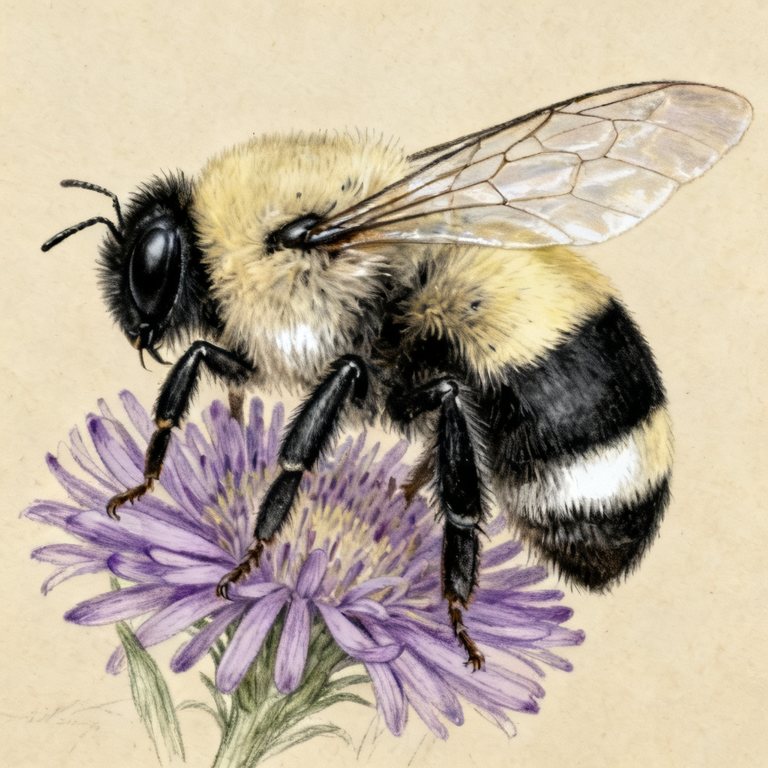
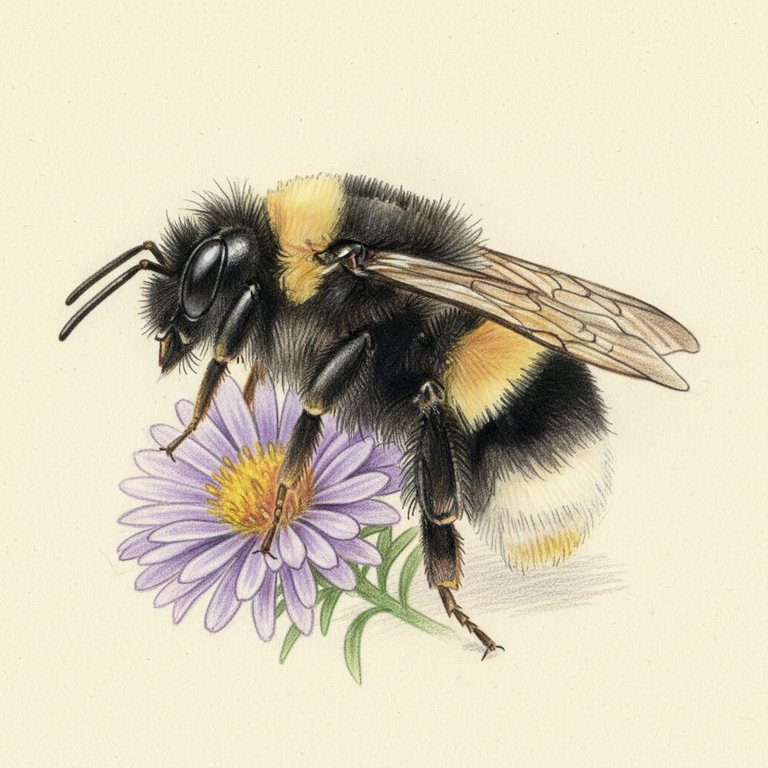
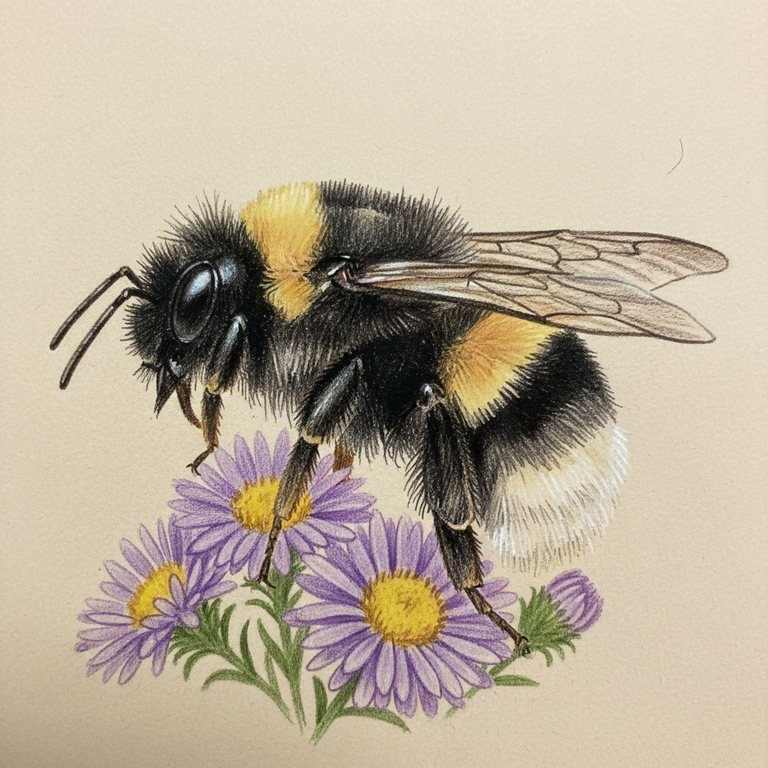
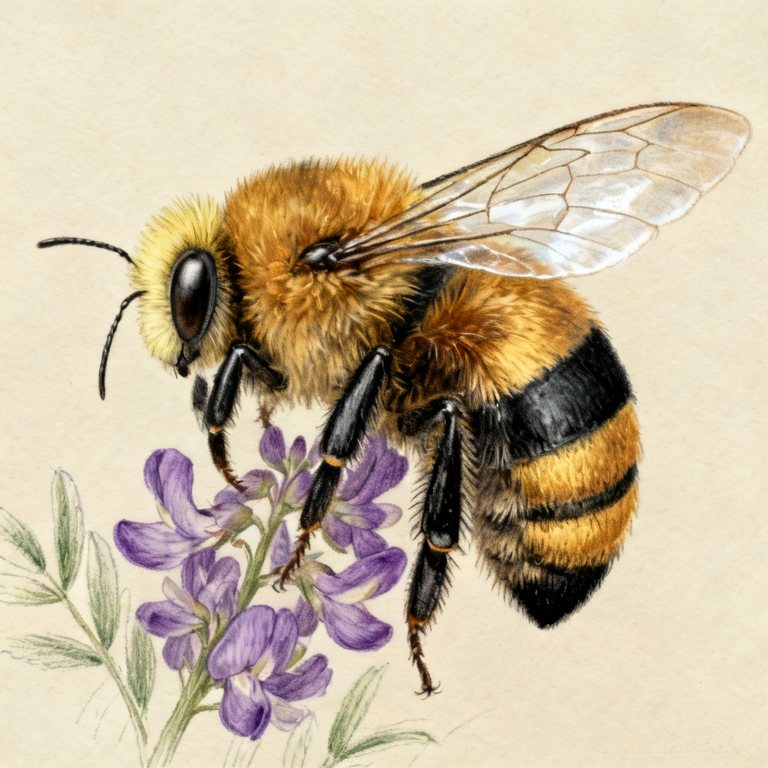
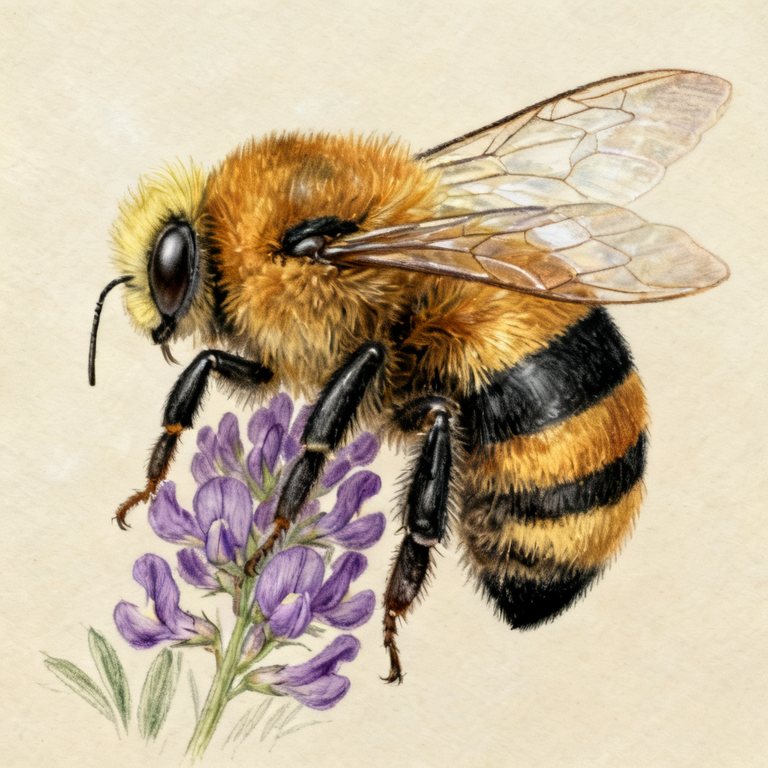
Every illustration on this site is AI-generated in a coloured-pencil style. None is drawn by hand or from specimens.
They are made in two ways. The yellow-banded bumblebee and the first-round images were generated from written descriptions alone, which image models follow only loosely; their colour patterns are approximate. The tri-coloured, common eastern and northern amber illustrations were instead made by giving an image model a freely licensed photograph of a real bee and asking it to redraw that bee in a coloured-pencil style, so their colour patterns follow the photograph. Those three are adaptations of the photographers' work and are credited beside each image: Mark Nenadov (CC BY 2.0), mefisher (CC0) and Dan MacNeal (CC BY 4.0).
Even so, please do not use any of them to identify a bee.
The written facts on the main page are linked to published sources, listed at the bottom of that page.
Build log
The site is built by Adrian Hensler directing an AI coding assistant (Claude). Each change is reviewed by a second AI (Codex) before it is published. Everything so far happened on 10 October 2026; newest first. The change links go to a private repository.
- Listed on the projects page (change 110)
Asked to link the site from the public projects page as a research and self-learning demo. Until now it was not linked from anywhere. - Accurate illustrations and a honey section (change 109)
Asked to regenerate the three inaccurate illustrations. Two attempts failed: twelve images from detailed segment-by-segment descriptions, then six with museum specimen photographs as colour guides, all drifted back to a generic white-tailed bumblebee. The third worked: a freely licensed photograph of a real bee was redrawn in a coloured-pencil style, so the colours follow the photograph. All twenty-four attempts are in the image log. Also asked whether the page covered Nova Scotian honey; it did not, and now has a short sourced section explaining that honey comes from honey bees, not bumblebees. - Three more species, a connected page, a viewer and an accessibility pass (change 108)
Asked for the remaining three species in the same manner, with research handed to helper agents. Three AI research helpers each gathered quoted passages and photograph candidates for one species; the main assistant checked the key quotes against the saved source text, then wrote the entries. Eight sources were added, among them a Cape Breton identification guide. Also asked for: an introduction that knows about the rest of the page (the four images now jump to their entries, and a contents bar links every section); a framed viewer in place of bare image files; and steps for visually impaired readers (full image descriptions, a skip link, labelled citations, text that follows the reader's font size, a keyboard focus outline and a button to pause the wandering bees). A second outside review asked for that pause button and for one more claim to be narrowed. - Typography and arrangement (change 107)
Asked to fix up the font and the arrangement of the text. The pages moved to EB Garamond, a bookish old-style face that suits the lettered title, in a narrower column with a centred opening line, quieter section headings and tidier captions and citations. - Hand-lettered title (change 106)
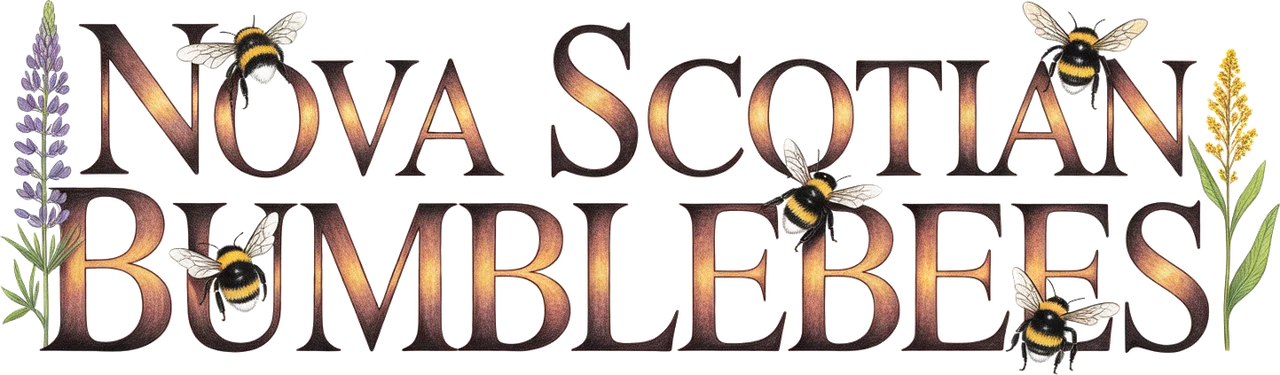
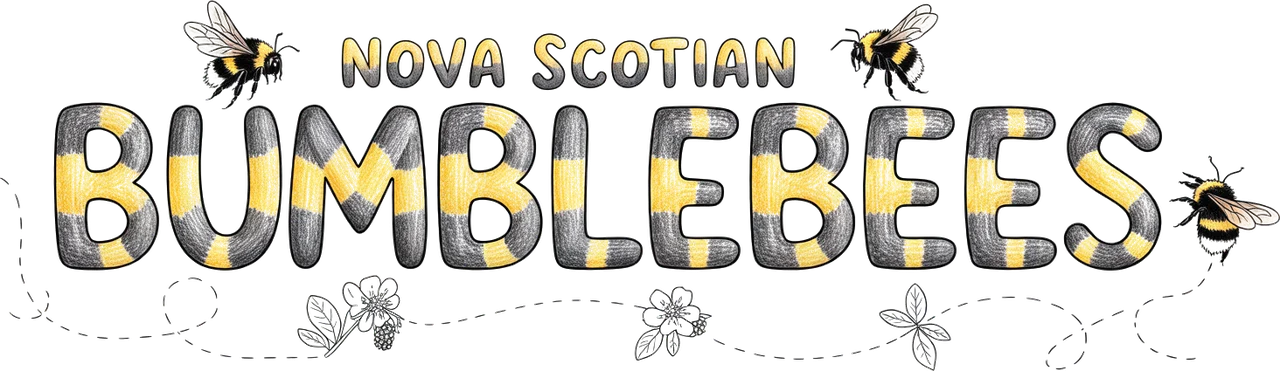
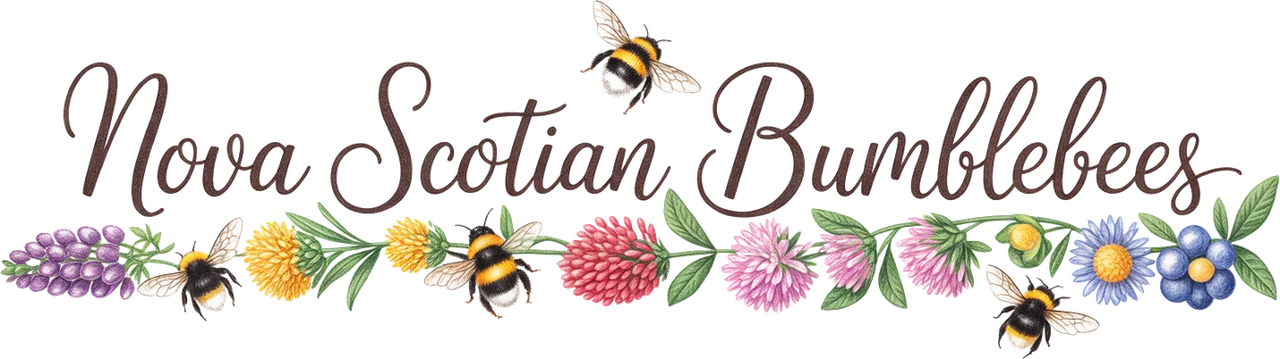
Asked for a title that befits the bees, visually. Three banners in a hand-lettered, coloured-pencil style were generated and cut out so they sit on the page's paper colour. The first is in use; all three are kept in the image log below. - Clearer labelling; tightened claims (change 105)
An outside review said the page read as more authoritative than its illustrations deserve. The title line dropped the words "field guide"; a fine-print line before the first illustration and in the footer now says the illustrations are AI-generated and the page is not an authority. Also corrected: the tri-coloured is not the only local bumblebee with orange; the life cycle now covers cuckoo bumblebees; the federal plan reference moved from the 2022 proposal to the 2023 plan; and three statements were narrowed to what their sources support. - Wandering bees (change 104)
Asked for animated bees that just wander around the page. Two top-down sprites were generated and cut out, and a short script drifts three of them around the window. They are skipped for visitors who prefer reduced motion. Review caught bees being stranded off-screen after a window resize; fixed. - Build log added (change 103)
Asked for a fuller log. This list was reconstructed from the project's GitHub history: one entry per published change, with what was asked, what was done and what review caught. - Reference photograph and museum link (05:28 UTC, change 102)
Asked for a freely licensed Wikipedia photograph of the yellow-banded bumblebee, and given a Nova Scotia Museum of Natural History post as a reference. Added a thumbnail of the Wikipedia article's lead photo (Rob Foster, CC BY 4.0) with credit, and the museum link. Review caught two captions inside one figure; fixed before publishing. - First full species entry; masthead and footer (05:26 UTC, change 101)
Following a suggestion to finish one species properly before repeating the pattern, the yellow-banded bumblebee got a complete entry: at-a-glance facts, recognition, food, its year, its decline and how to report one, nearly all from the province's 2024 management plan. The page also gained a title band and footer. - Facts and sources (05:22 UTC, change 100)
Asked whether the illustrations were accurate and how many species live here. Placeholder text was replaced with facts linked to published sources. Two corrections came out of it: the common eastern bumblebee is introduced, not native as the image prompts had said; and a draft note doubting the northern amber's presence in Nova Scotia was wrong. Review pointed to Royal Saskatchewan Museum records going back to 1921, and the note was removed. - Narrowed to Nova Scotian bumblebees; About page (05:09 UTC, change 99)
Feedback on round one: favourites 13, 14 and 15, then 7; more realistic and photographic; the bee large and facing left; bumblebees of Nova Scotia only. Round two produced twelve illustrations of four species (eight first, then a re-roll of the two least accurate), and the page became a draft guide with this About page and image log. Review caught four-column galleries being unreadable on phones; fixed. - Sixteen styles (04:57 UTC, change 98)
Asked for a four-by-four grid of bees in a coloured-pencil style, to pick from. Sixteen illustrations from four image models, each in a different style, numbered for choosing. Three missed the brief: 2 looked like a photograph, 6 produced a picture of an illustration, and 7 added a second bee and a fake signature. - Hello Bees (04:32 UTC, change 97)
A plain page with one heading, to prove the route from idea to published page. Not linked from anywhere.
Image log
Every illustration made for the site is kept here, newest round first.
Title lettering (10 October 2026)
Three banners from ideogram-v3-turbo, each prompted for the site's name in a hand-lettered, coloured-pencil style. A is the current title.
Round 3: accuracy (10 October 2026)
Direction: regenerate the tri-coloured, common eastern and northern amber so their colour patterns are right. Twenty-four images in three attempts.
Third attempt, from photographs (used). A freely licensed photograph of each bee was cropped and given to the image model to redraw in a coloured-pencil style. Source photographs: tri-coloured by Mark Nenadov (CC BY 2.0, mirrored); common eastern by mefisher (CC0); northern amber by Dan MacNeal (CC BY 4.0).
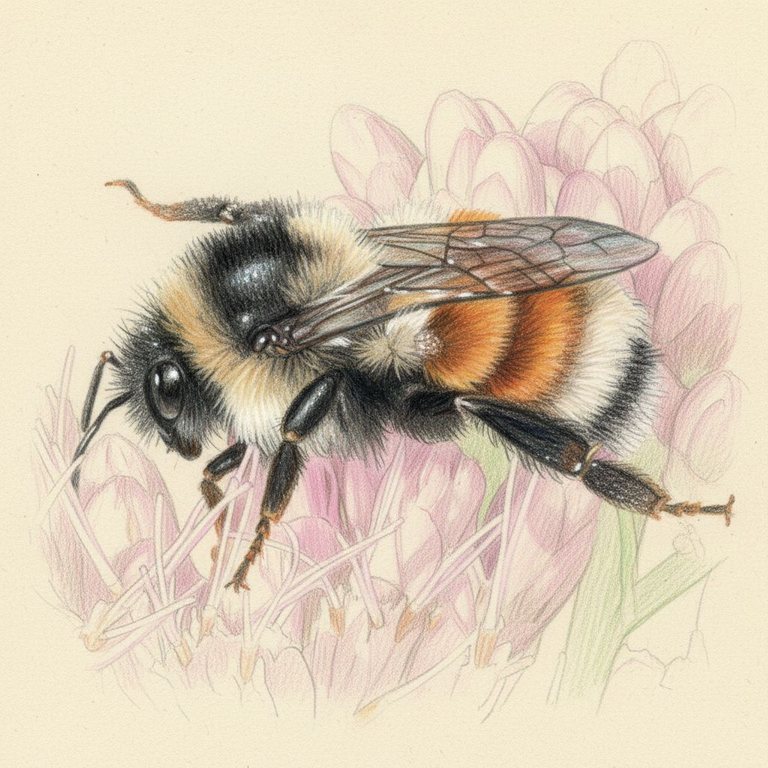
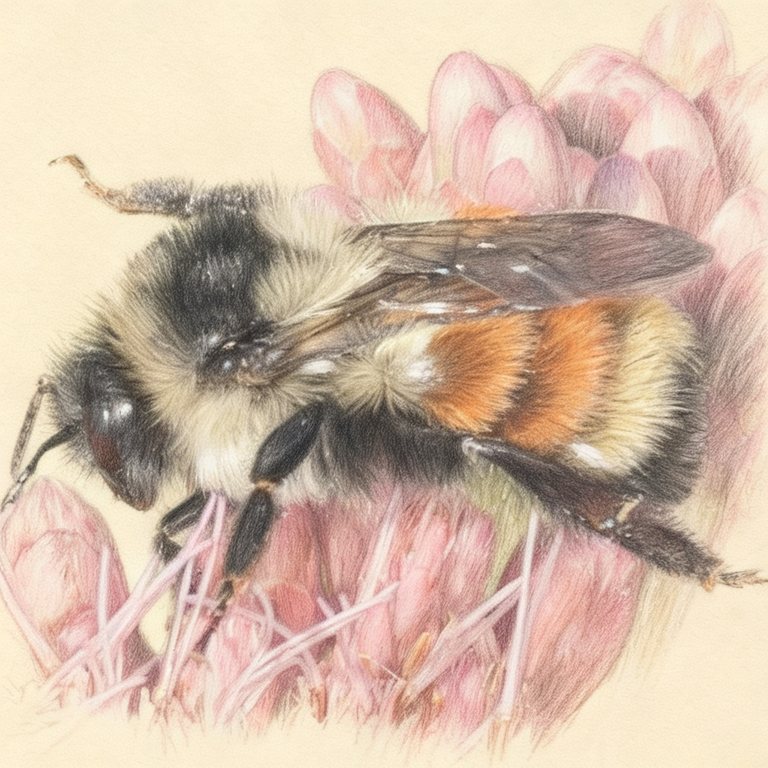
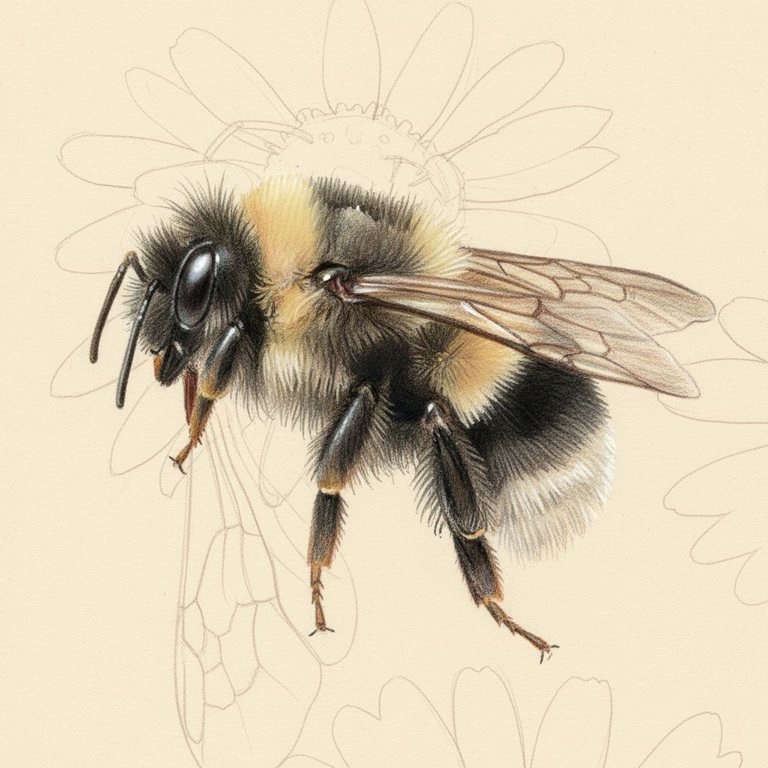
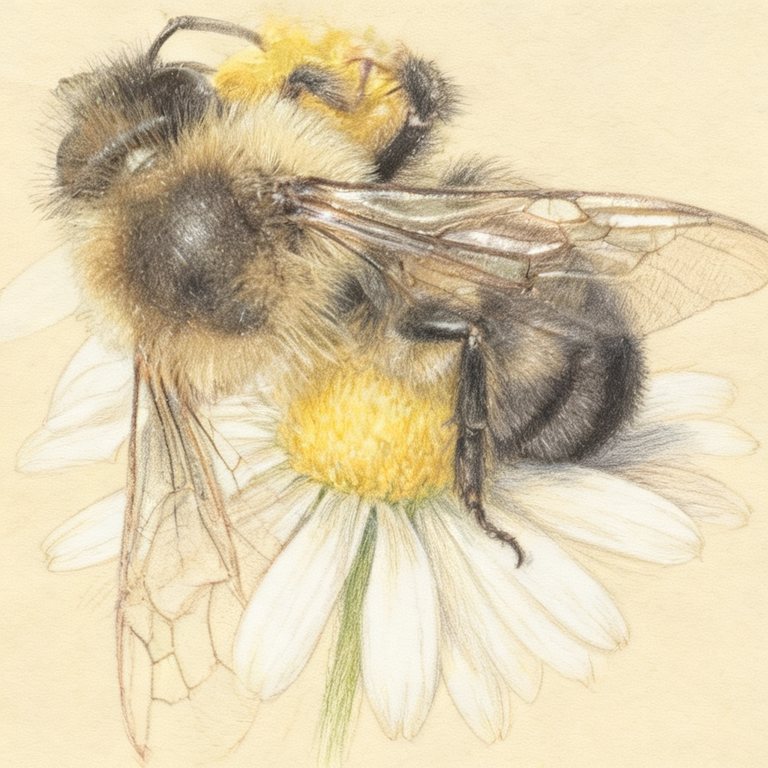
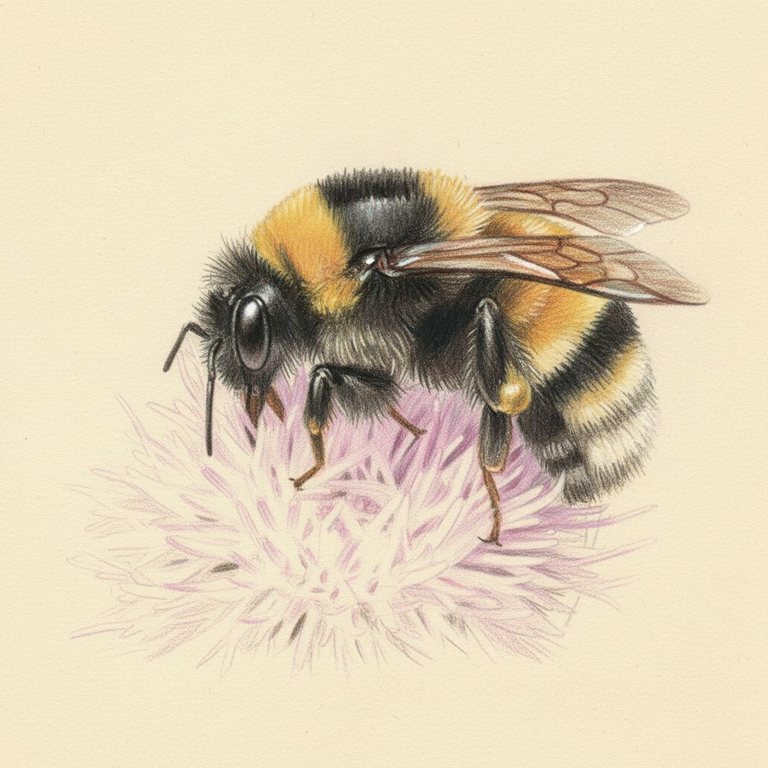
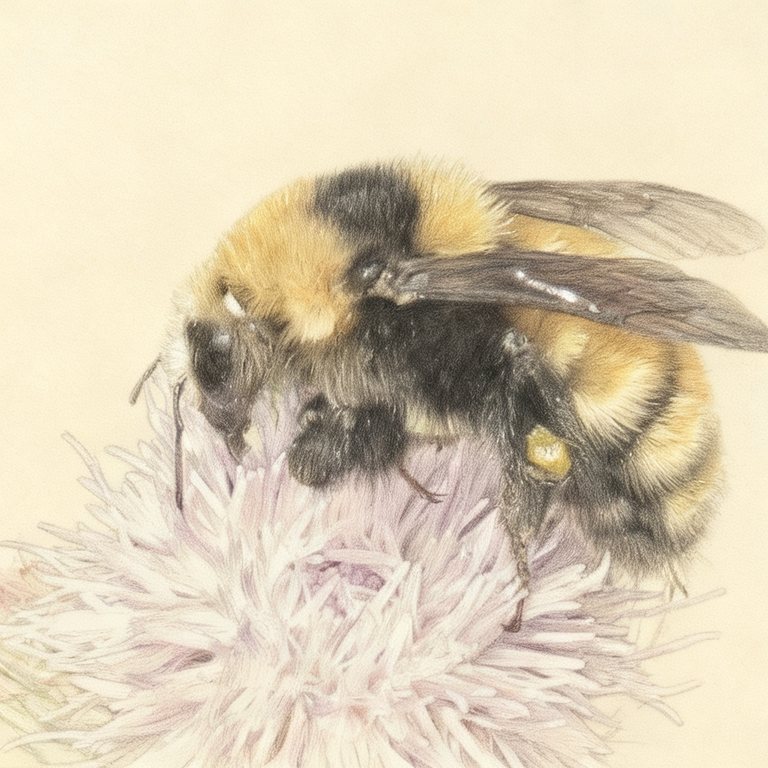
Second attempt, specimen photographs as colour guides (failed). Public-domain museum specimen photographs were supplied alongside the description. Every result came back as a generic bumblebee with a white tail.
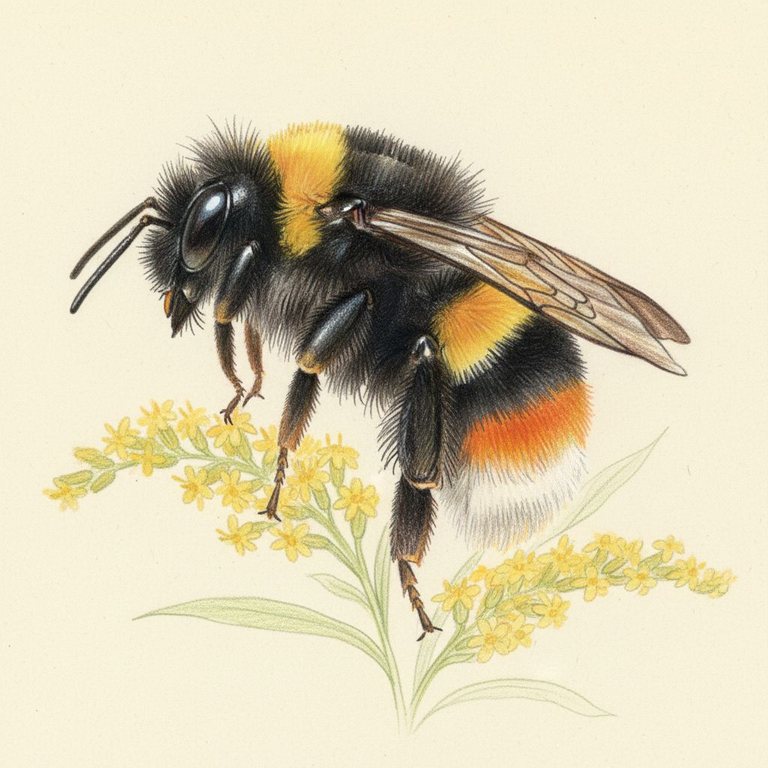
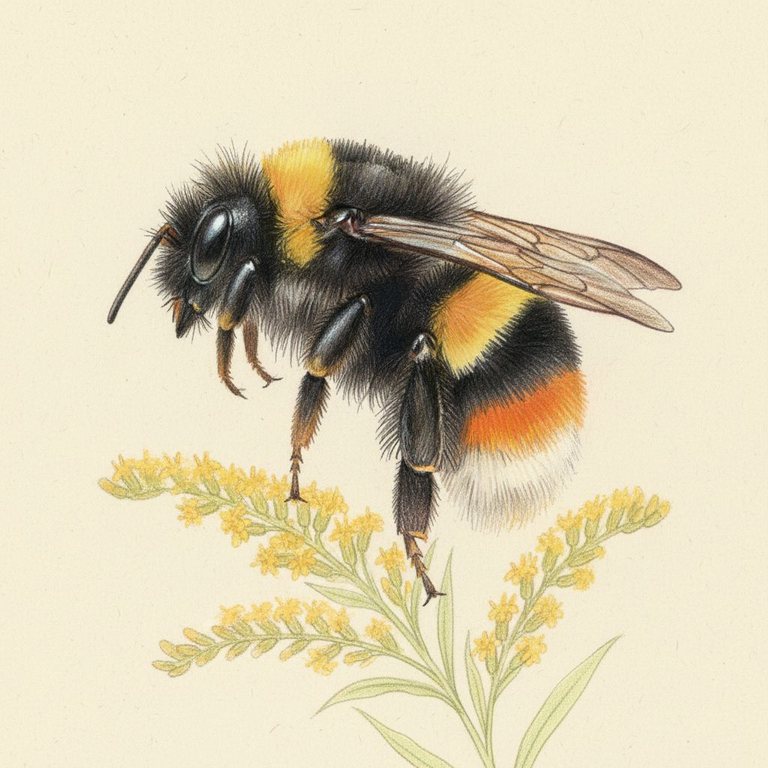
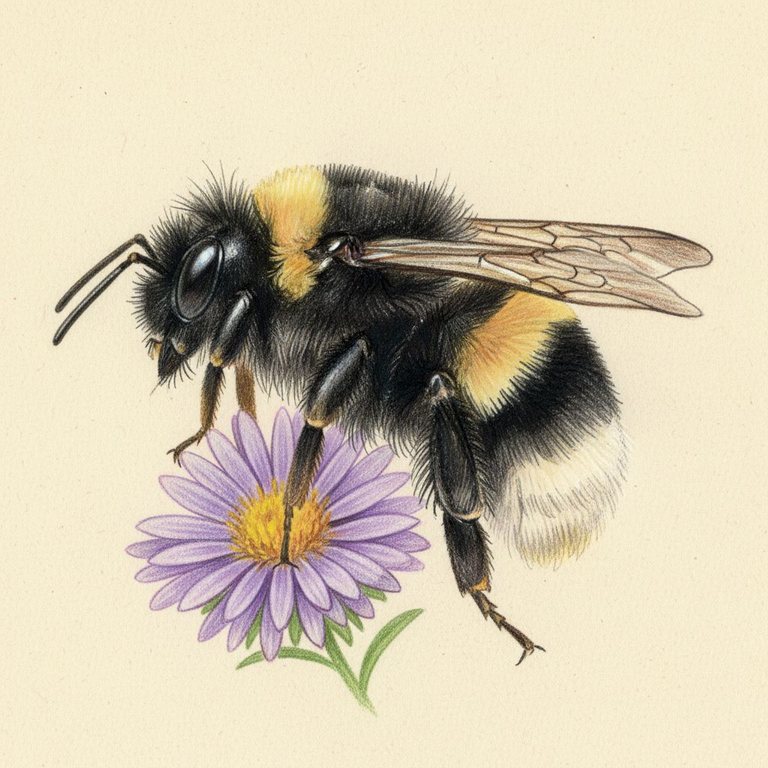
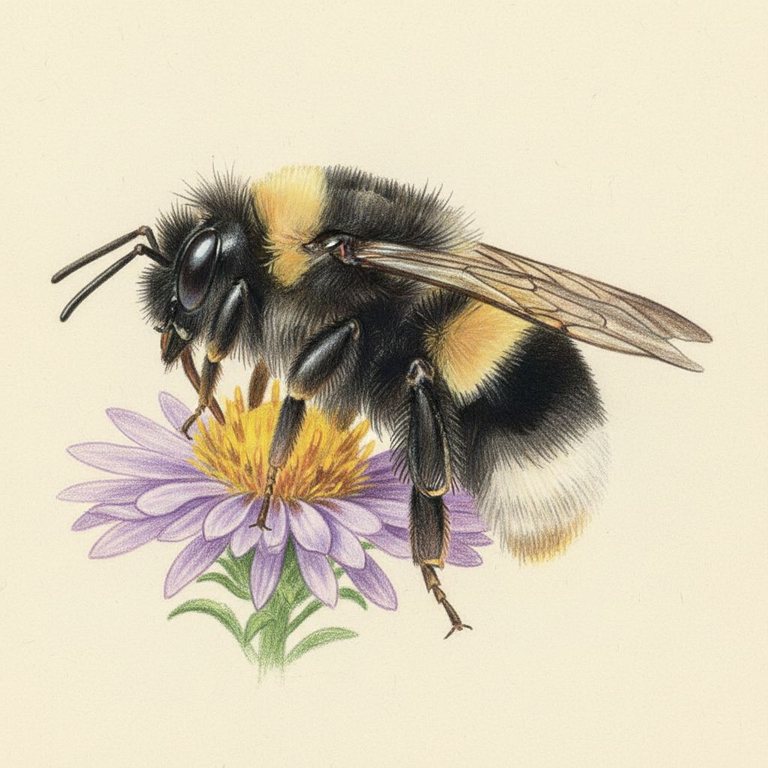
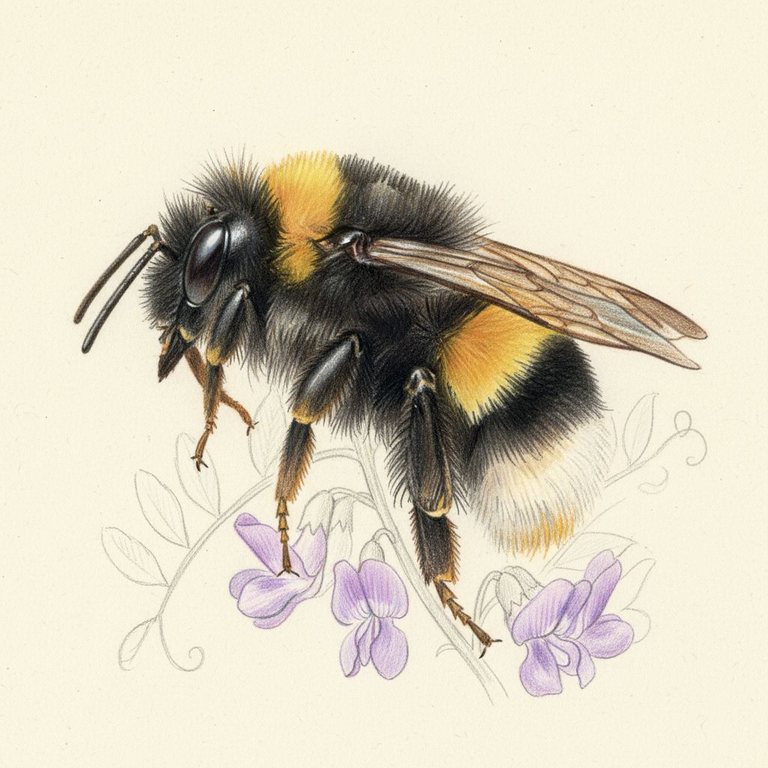
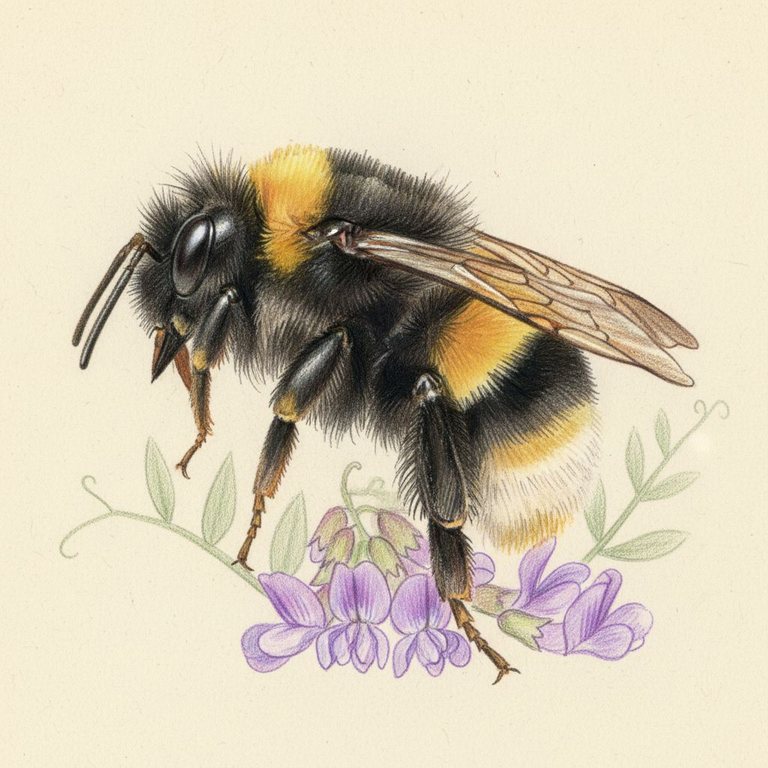
First attempt, descriptions alone (failed). Each prompt listed the colour of every abdominal segment in order. The results still added stripes or pale tails.
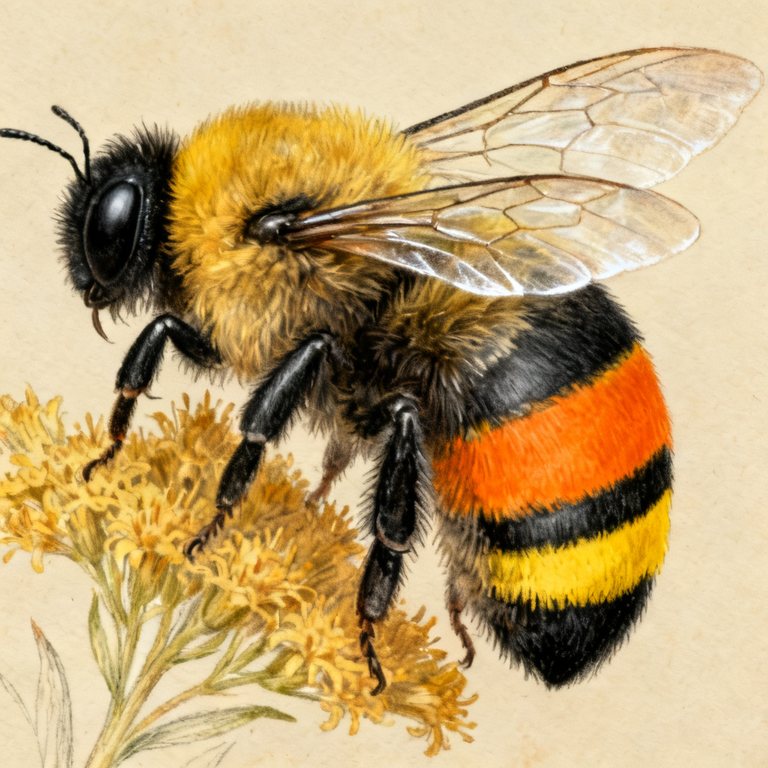
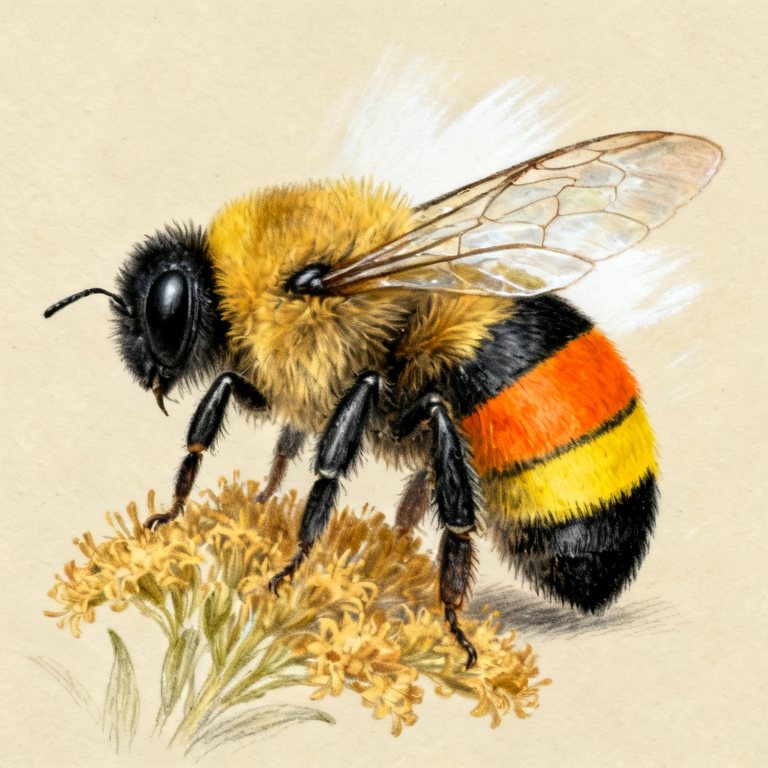
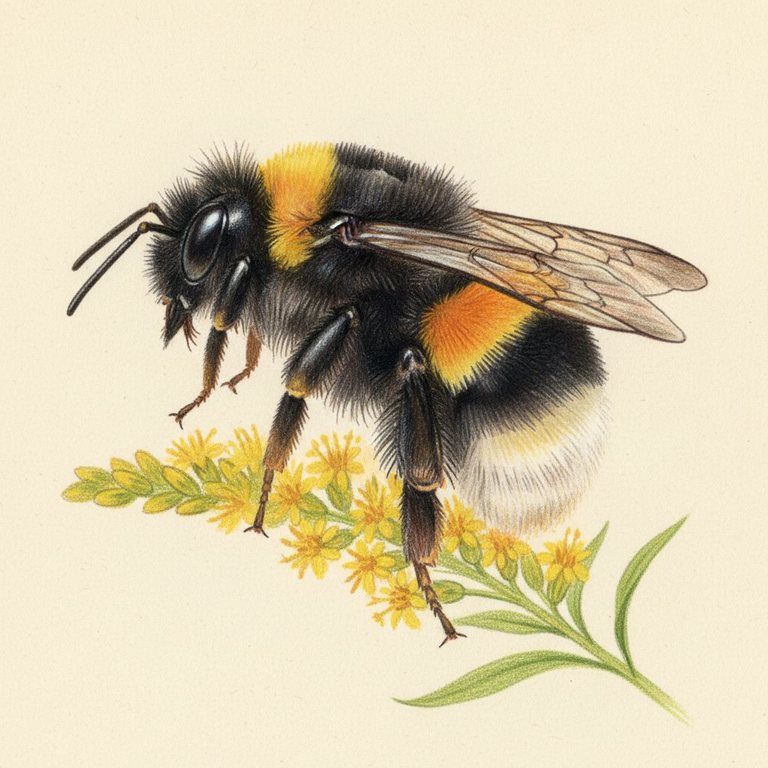
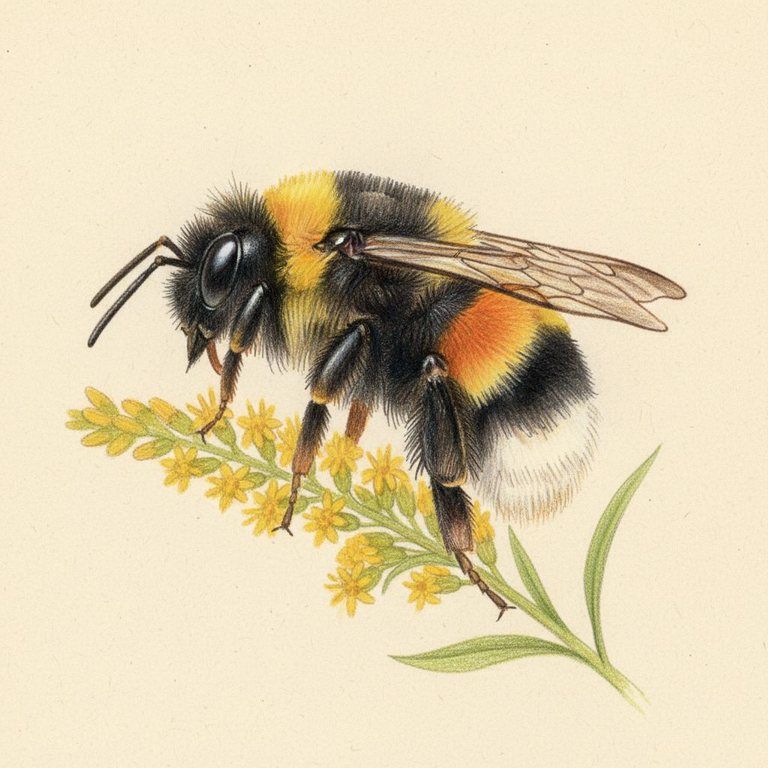
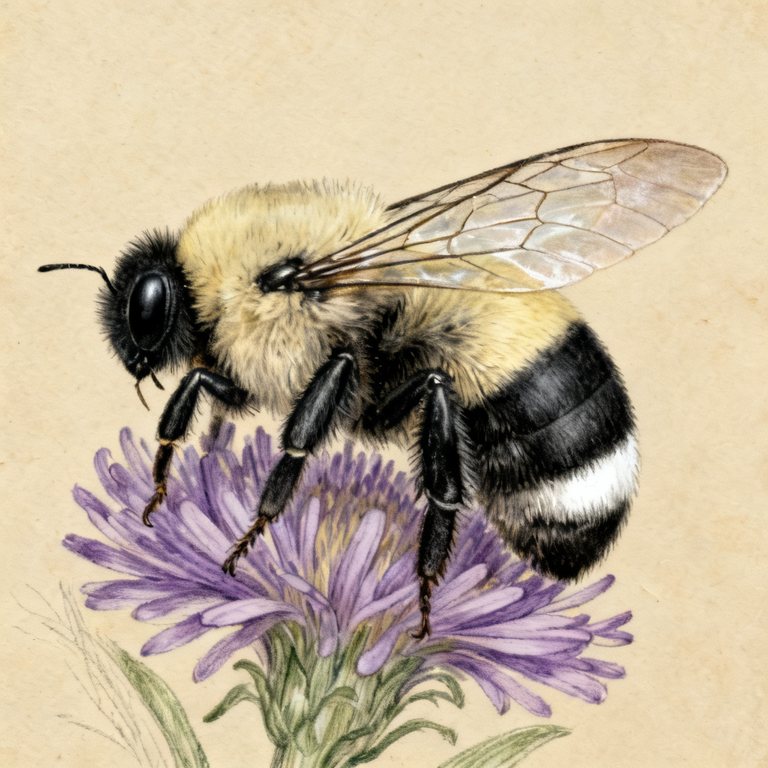
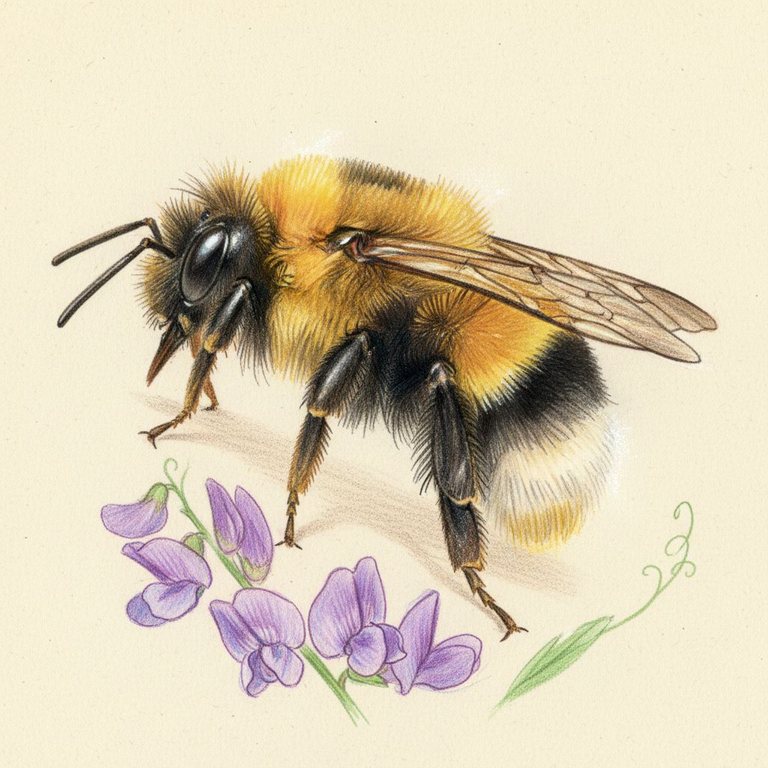
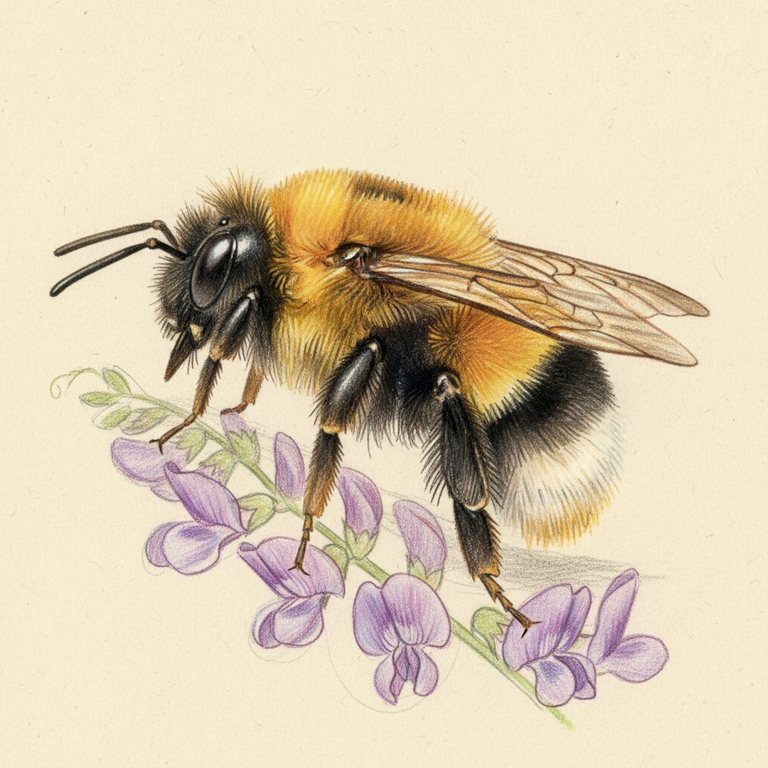
Round 2: Nova Scotian bumblebees (10 October 2026)
Direction: more realistic and photographic, combining the styles of illustrations 13, 14 and 15 from round one; the bee large in the frame and facing left; bumblebees only, of species found in Nova Scotia. Twelve illustrations from seedream-4, four chosen for the main page.
Correction: the image prompts described all four species as native to Nova Scotia. The common eastern bumblebee is introduced; the other three are native.
The tri-coloured, common eastern and northern amber from this round have since been replaced (see round 3). Their known errors, checked against published descriptions: the common eastern bumblebee should be black from the second segment to the tail, with no pale fringe. The tri-coloured is missing its yellow first segment and has a black band between the orange and the yellow that the real bee lacks. The northern amber should be yellow across its first four segments, with a black band between the wings. The yellow-banded's abdomen bands are only roughly placed.
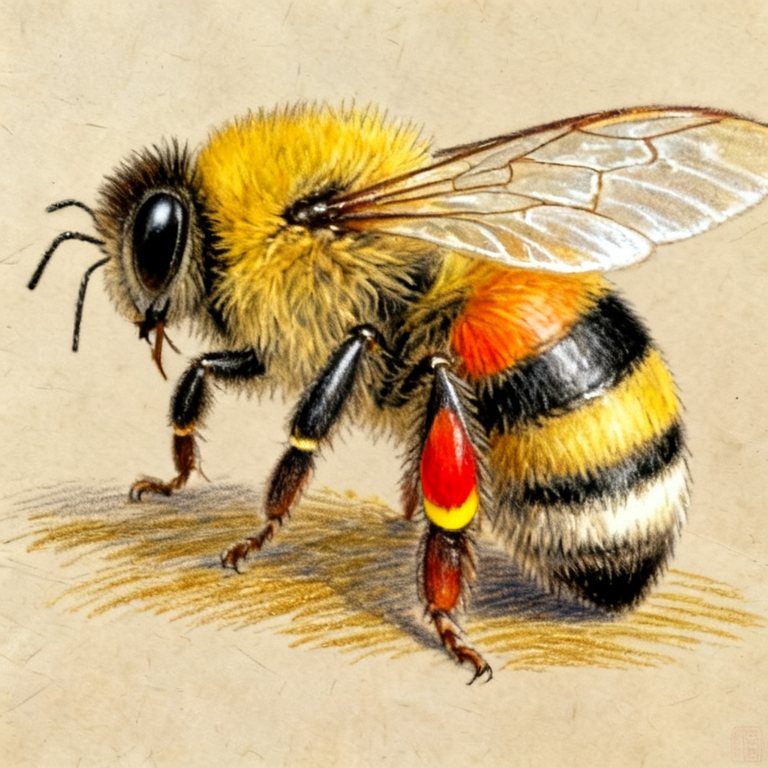
with illustrations 13, 14 and 15 as style references
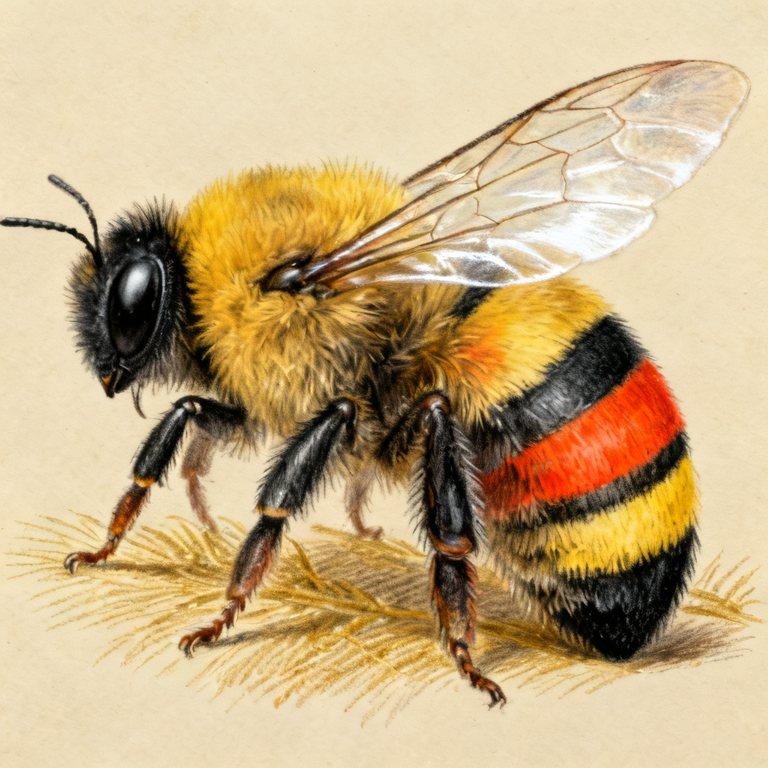
prompt only
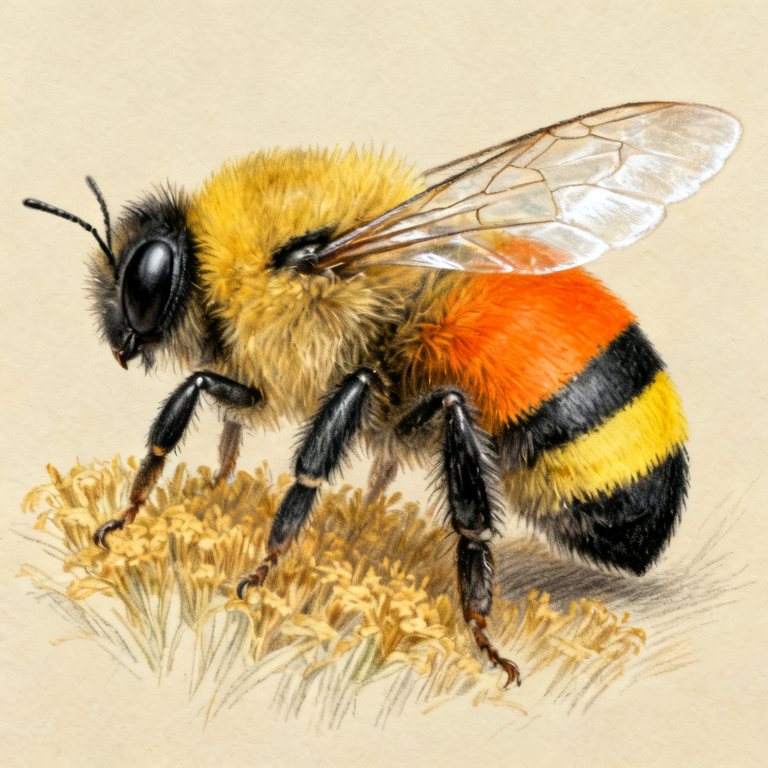
stricter colour prompt
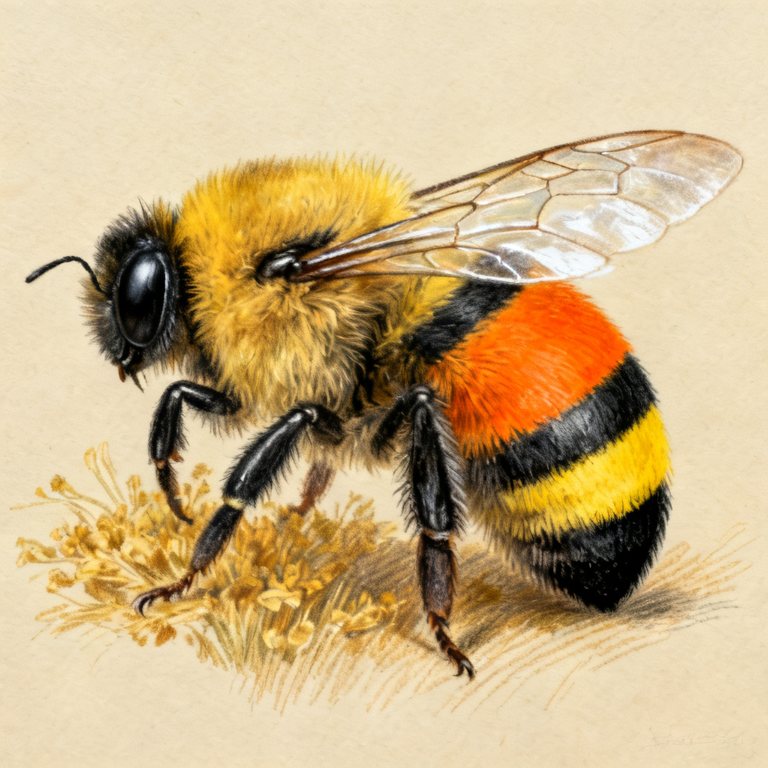
stricter colour prompt
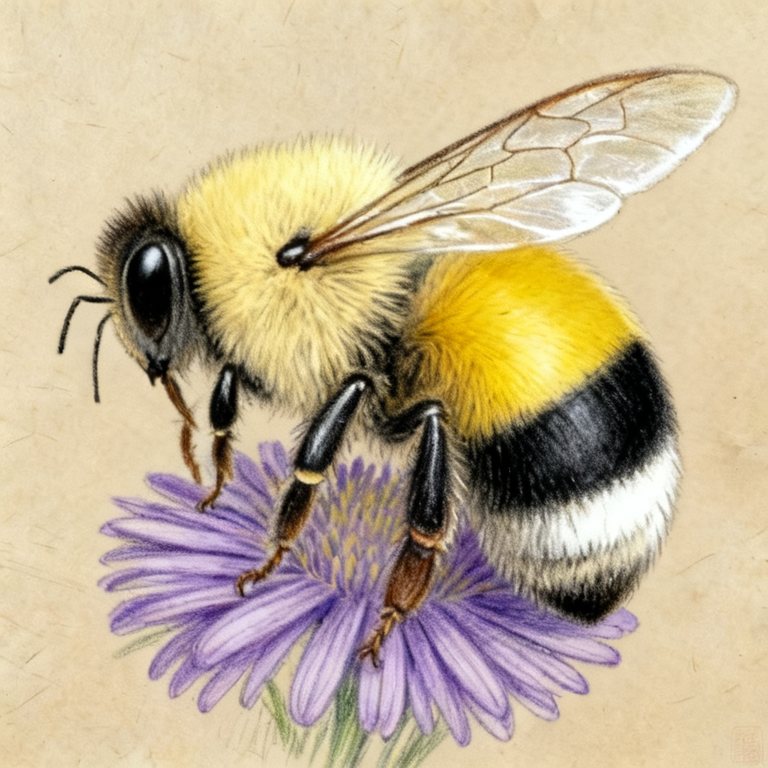
with illustrations 13, 14 and 15 as style references
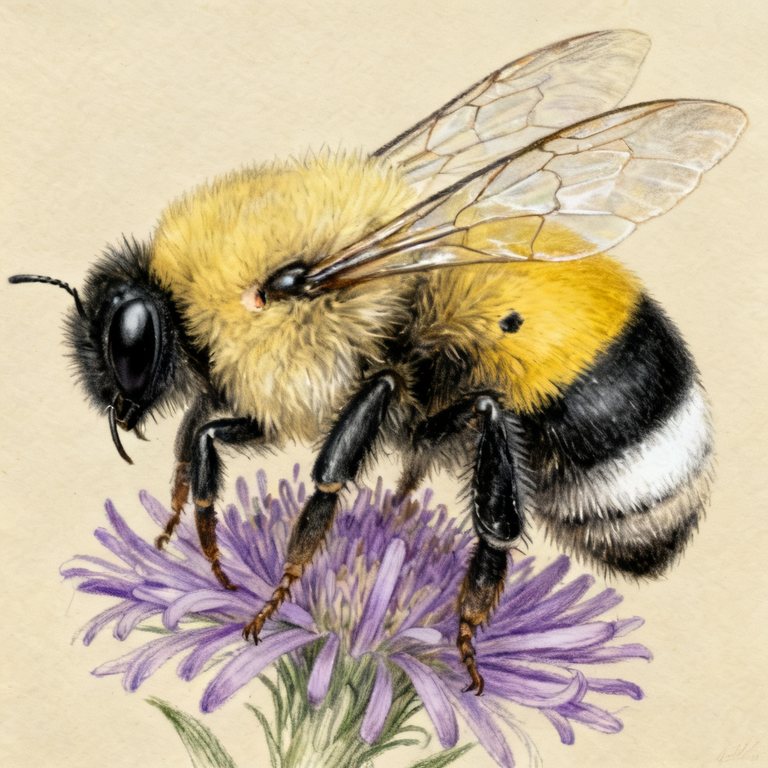
prompt only
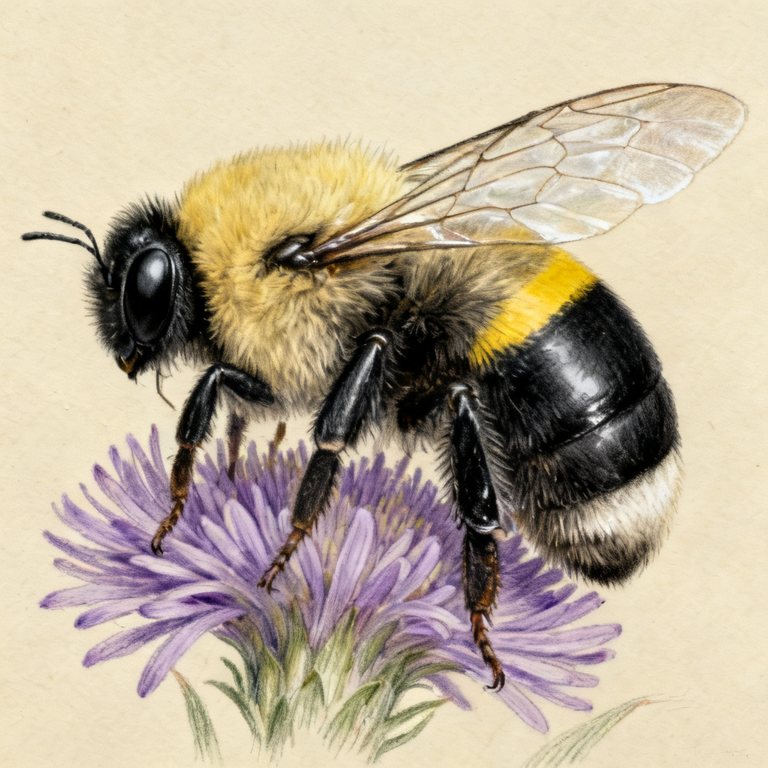
stricter colour prompt
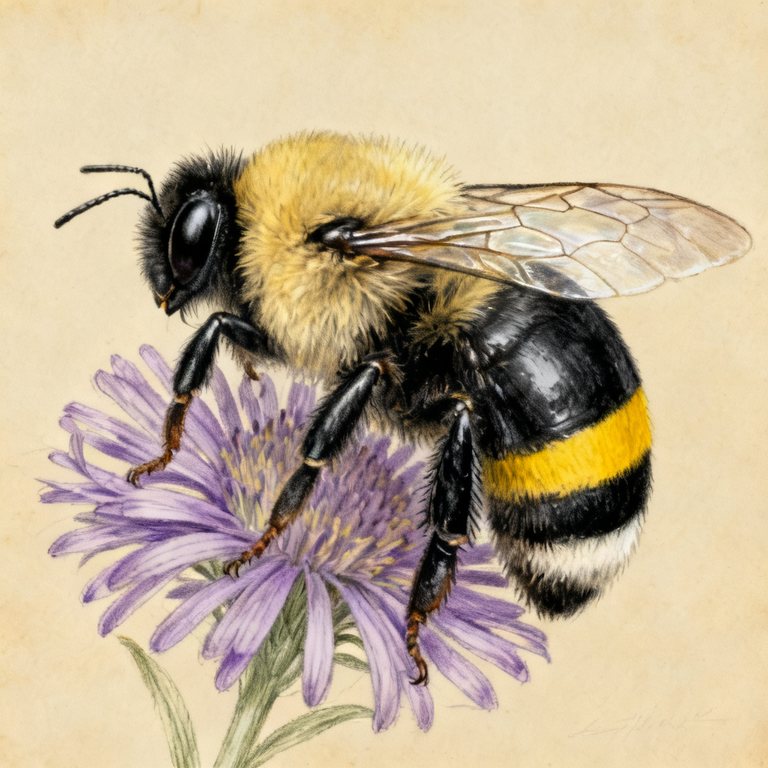
stricter colour prompt
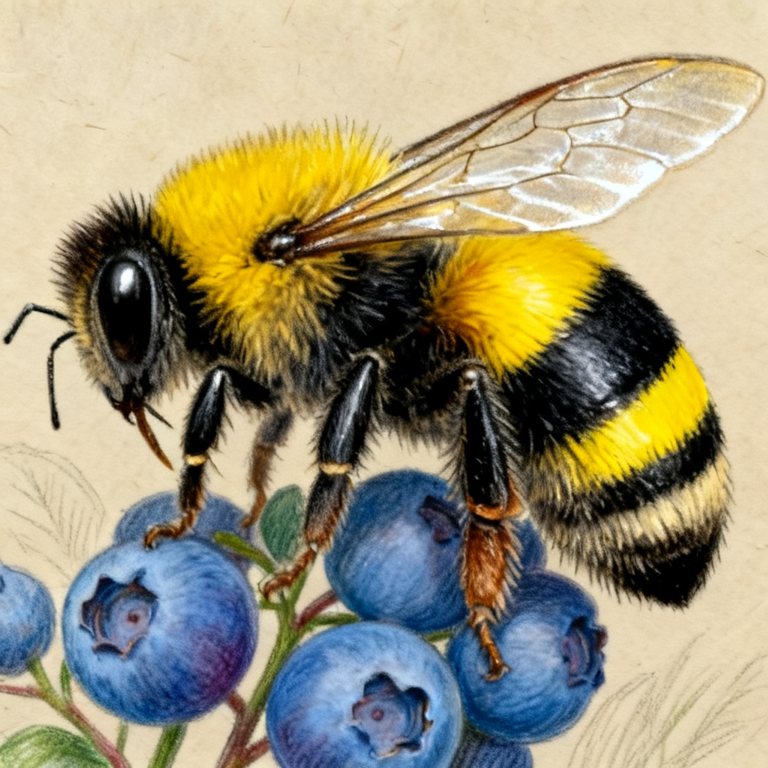
with illustrations 13, 14 and 15 as style references
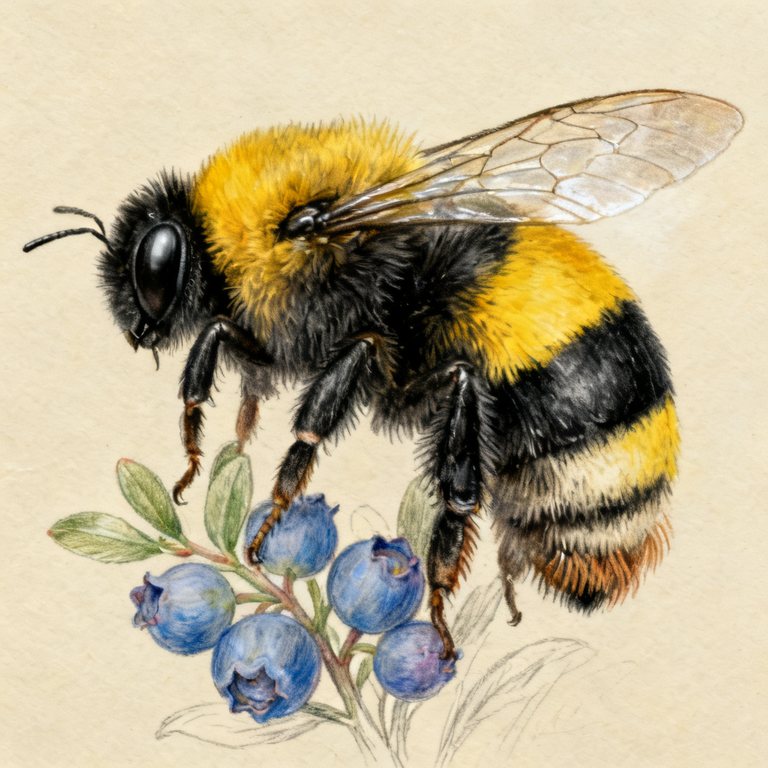
prompt only
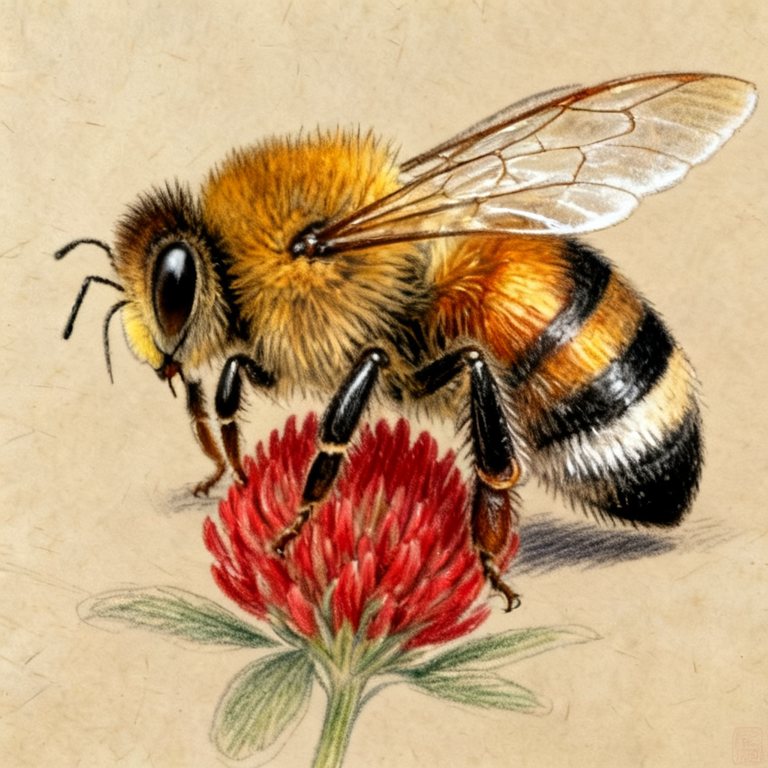
with illustrations 13, 14 and 15 as style references
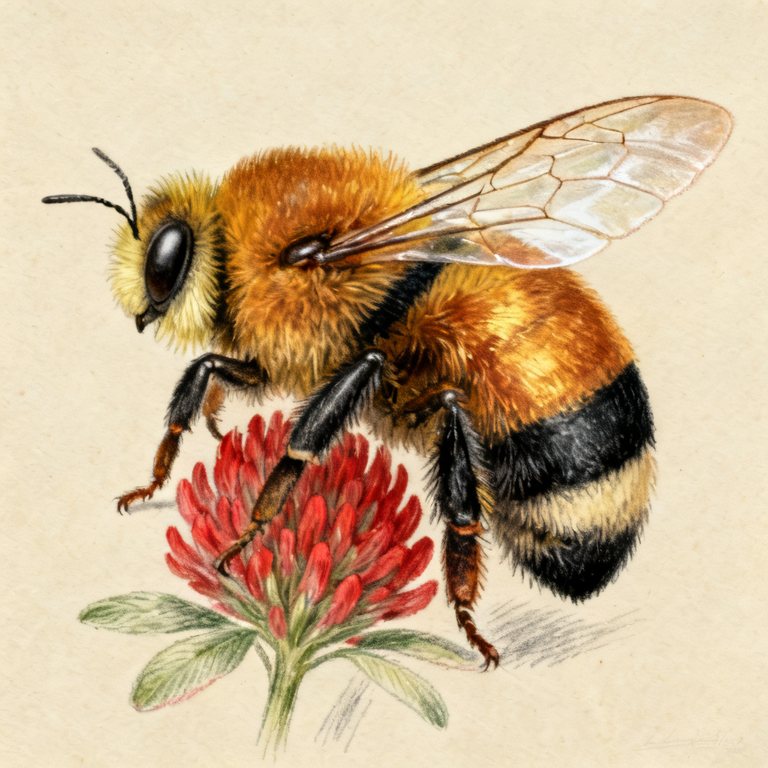
prompt only
Round 1: sixteen styles (10 October 2026)
Sixteen bees, each in a different coloured-pencil style, to find a direction. Favourites: 7, 13, 14 and 15.
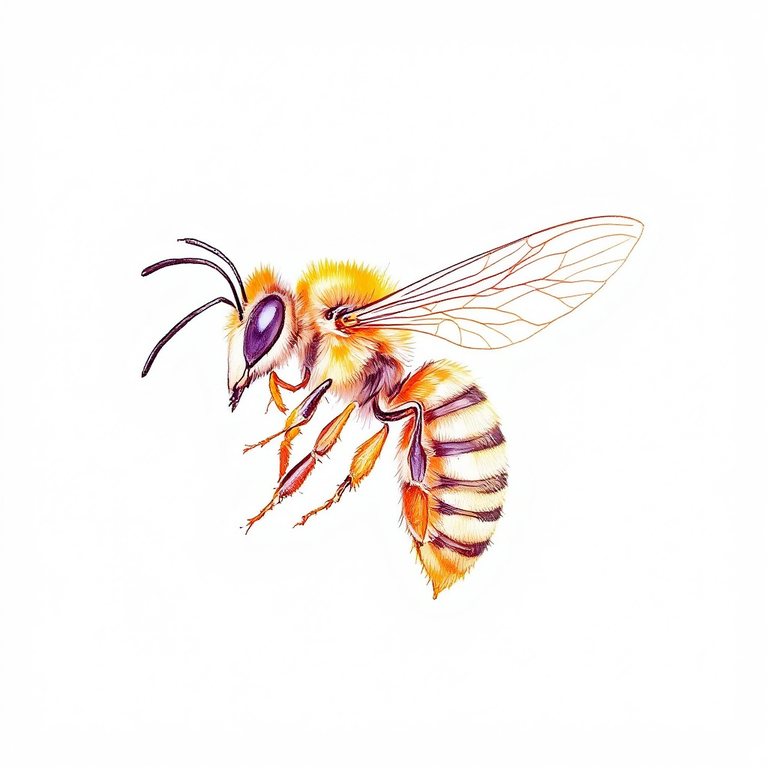
flux-1.1-pro
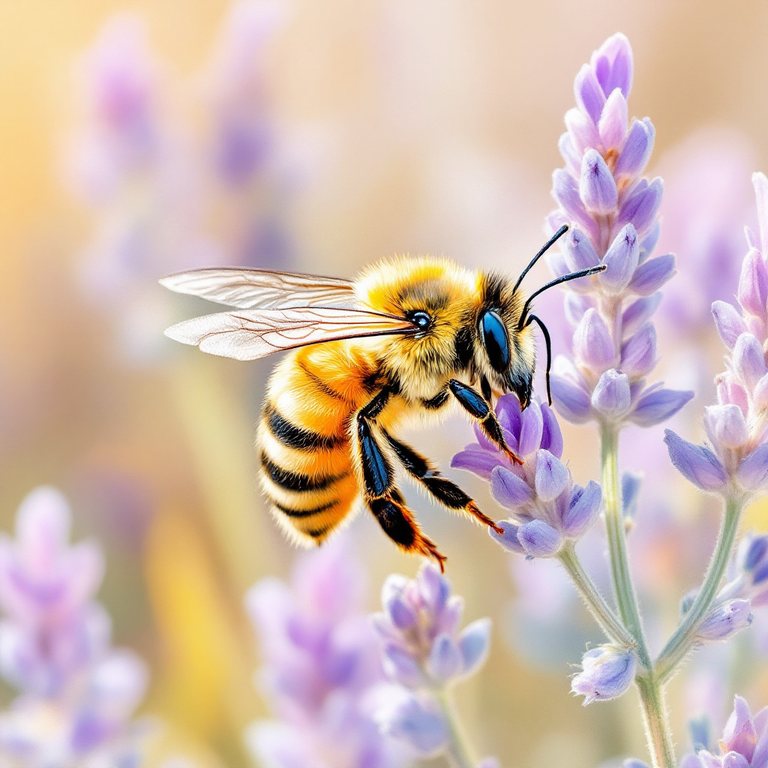
flux-1.1-pro
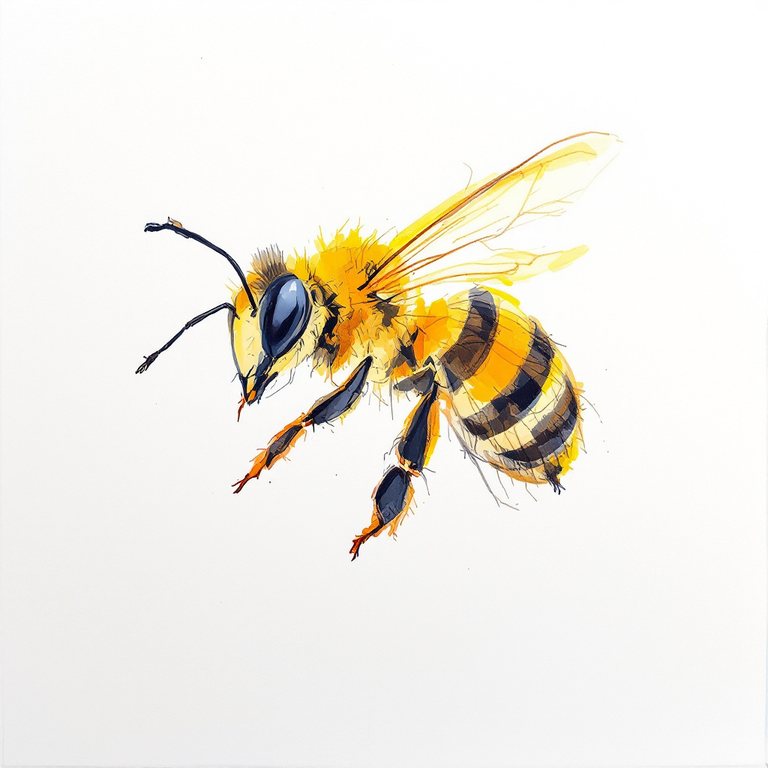
flux-1.1-pro
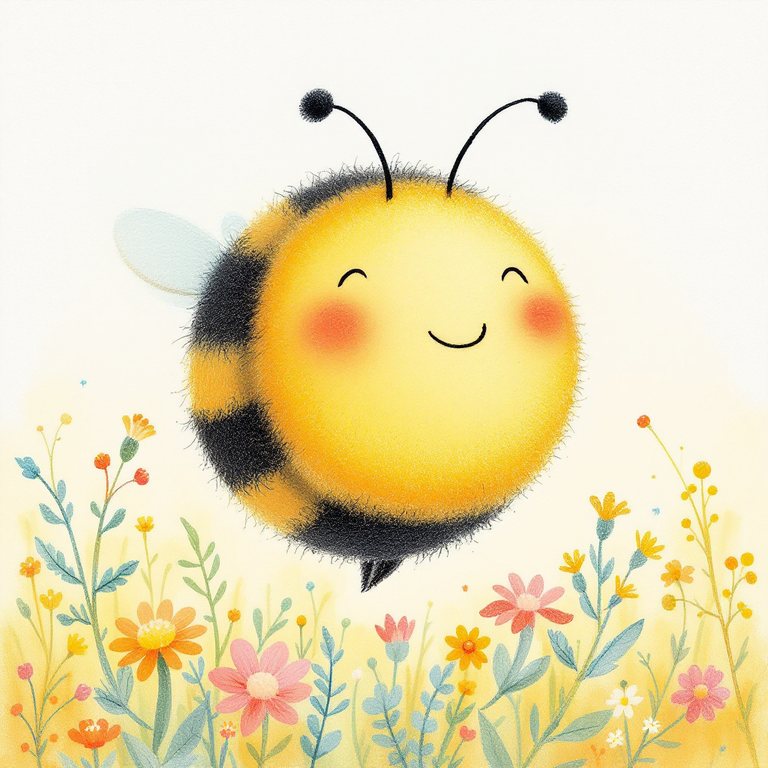
flux-1.1-pro
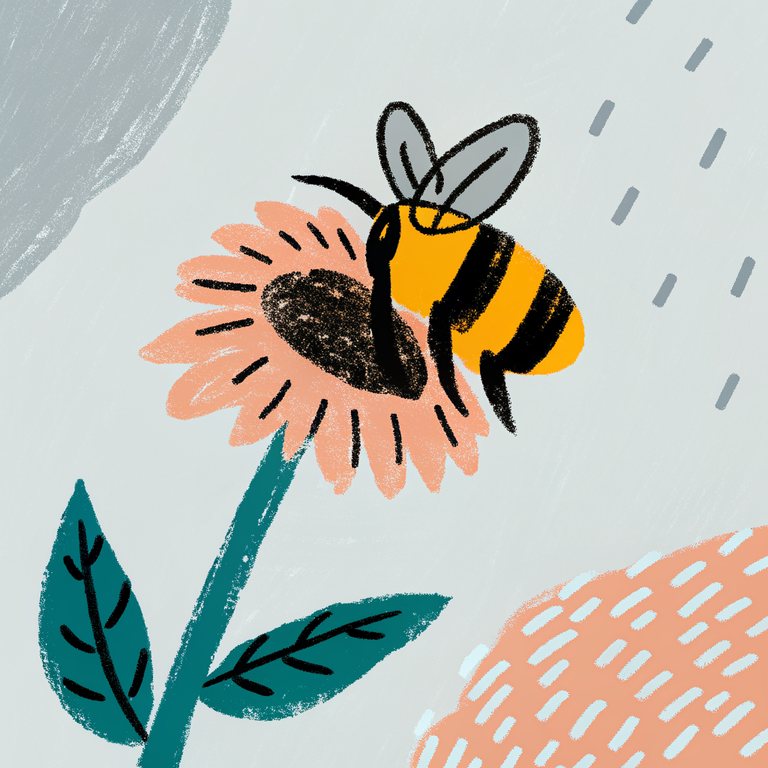
recraft-v3
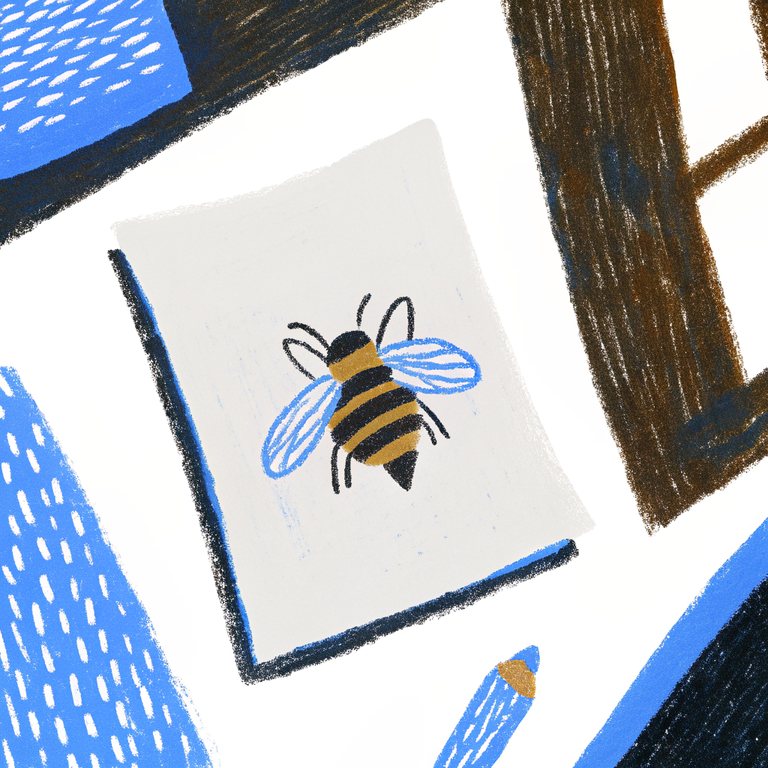
recraft-v3
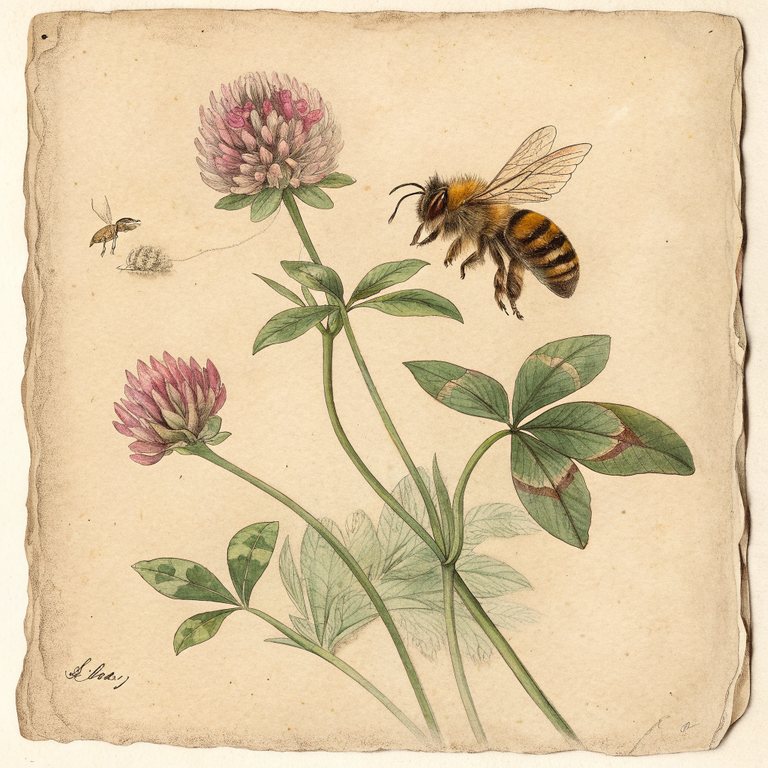
recraft-v3
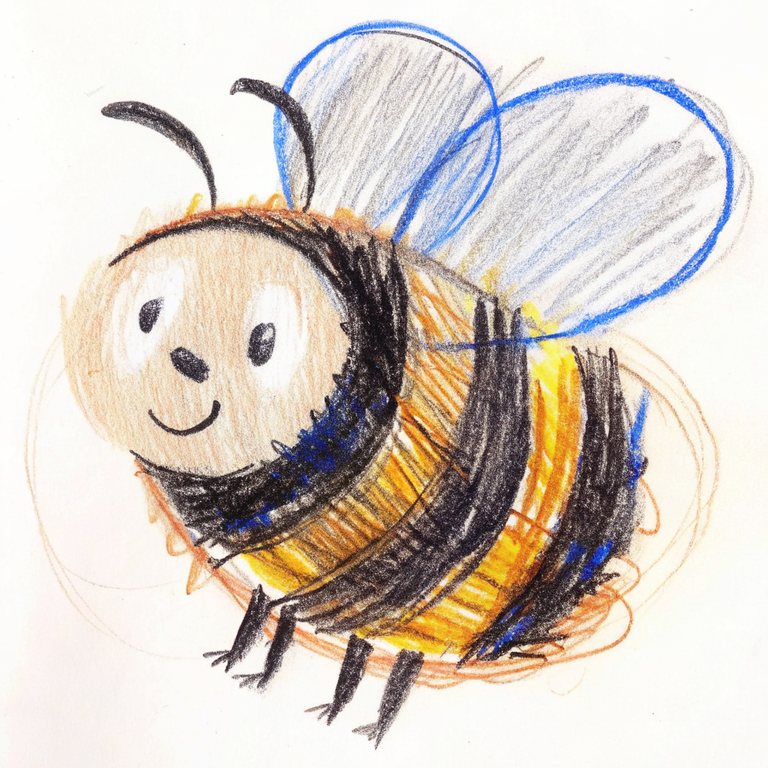
recraft-v3
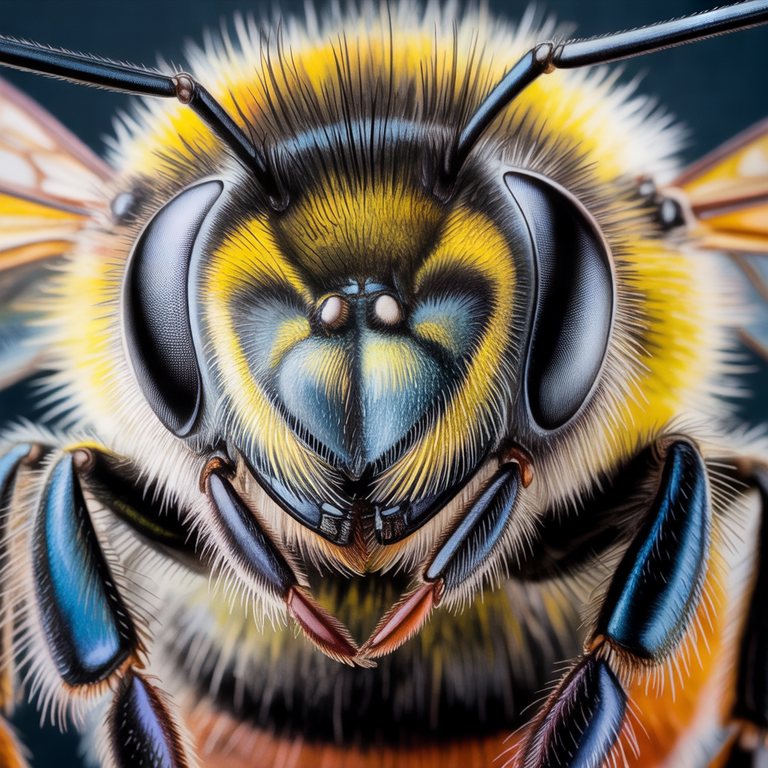
ideogram-v3-turbo
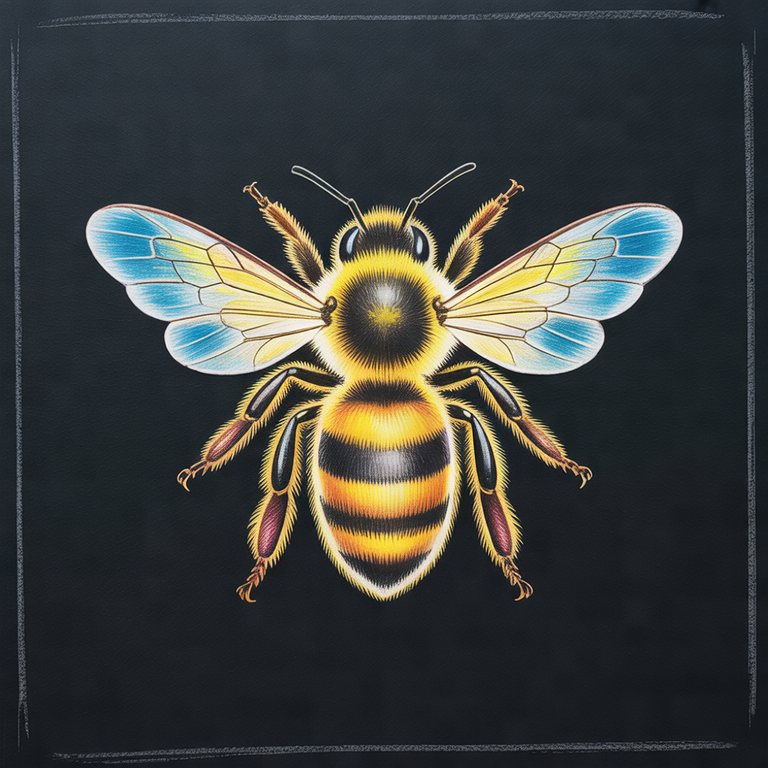
ideogram-v3-turbo
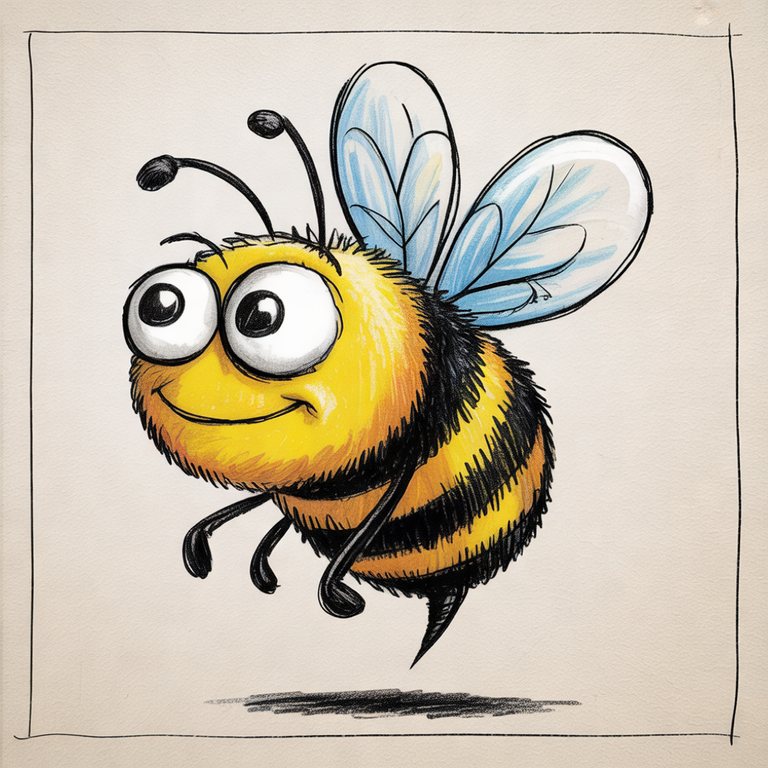
ideogram-v3-turbo
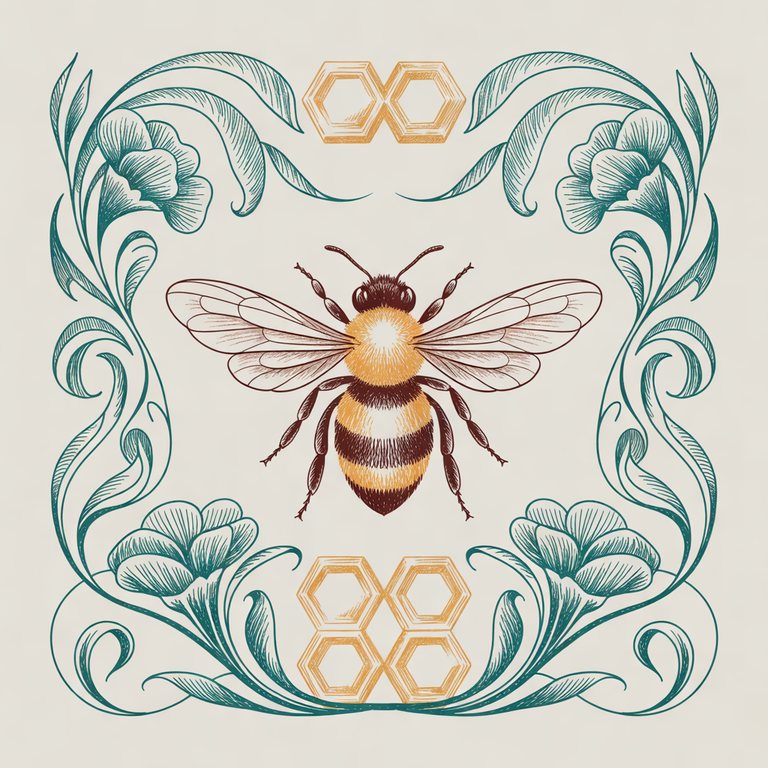
ideogram-v3-turbo
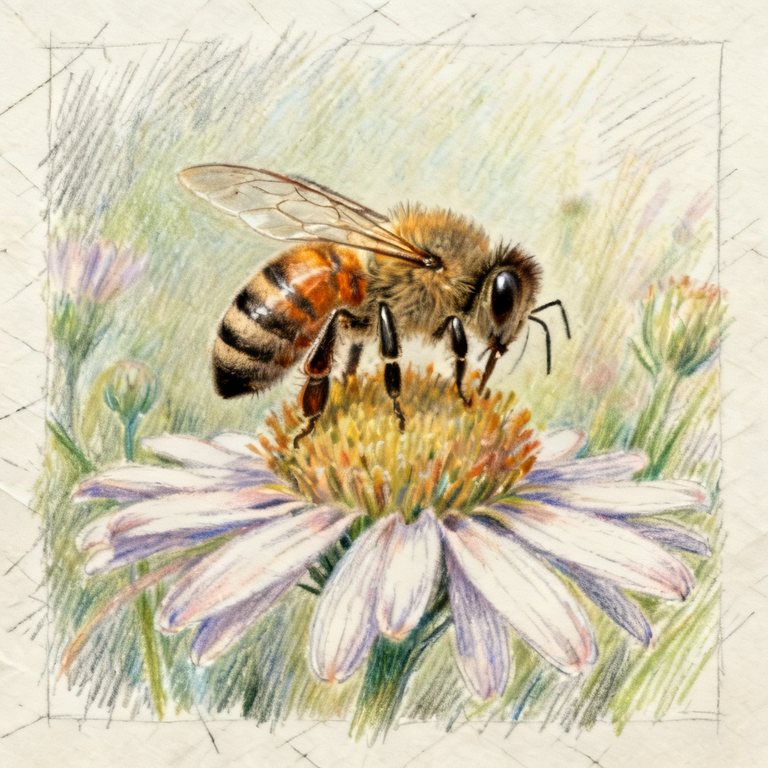
seedream-4
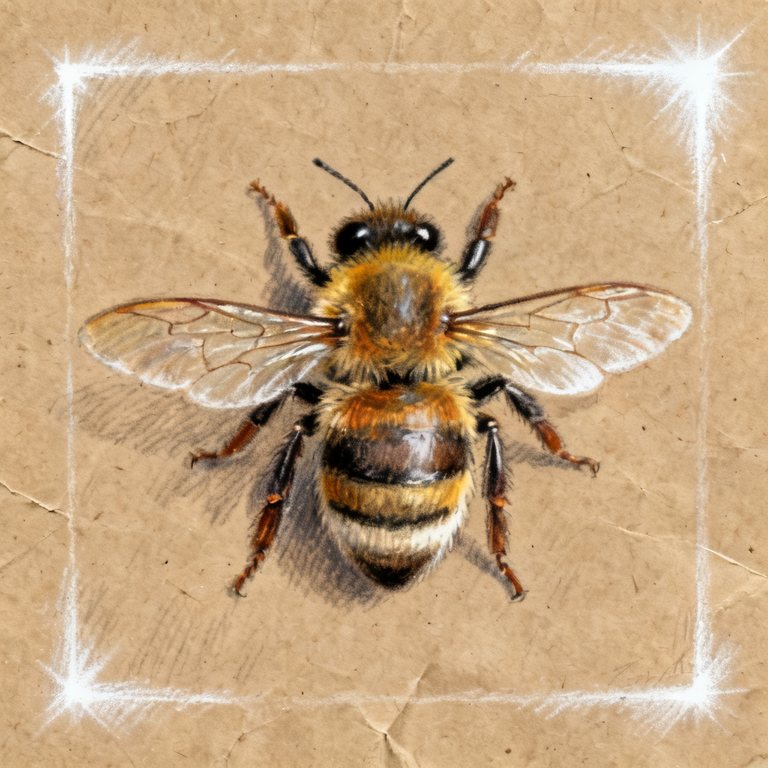
seedream-4
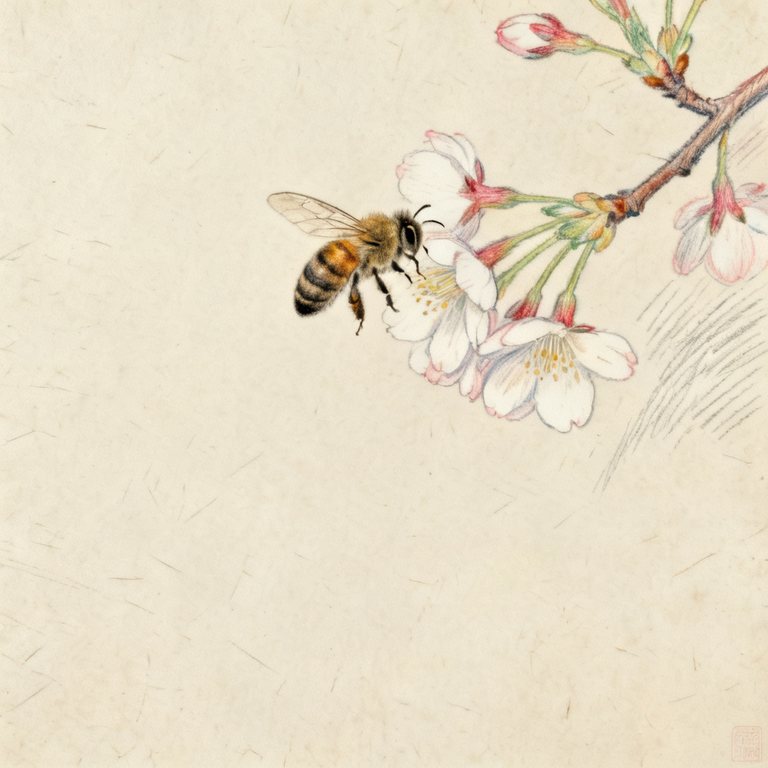
seedream-4
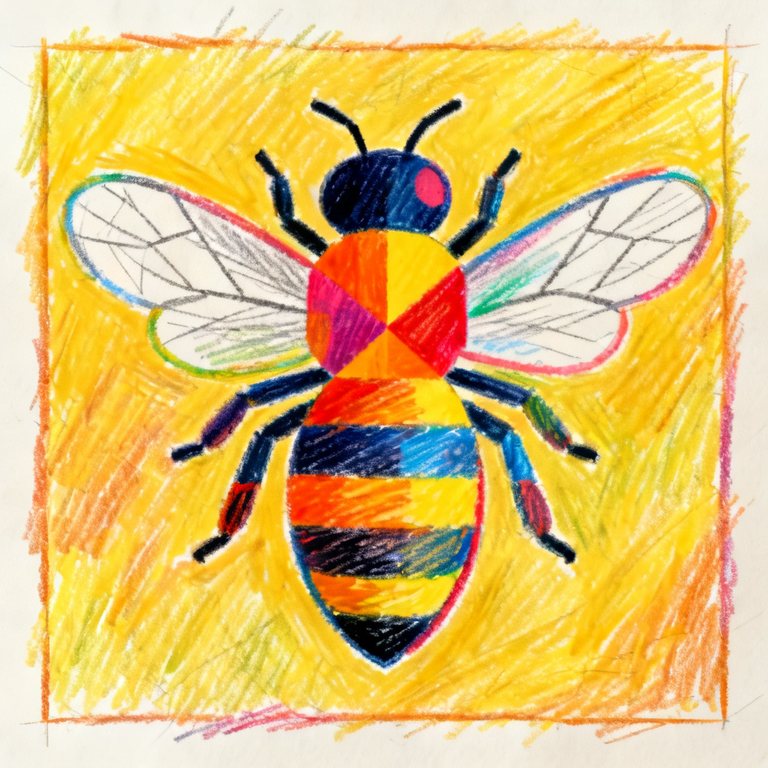
seedream-4